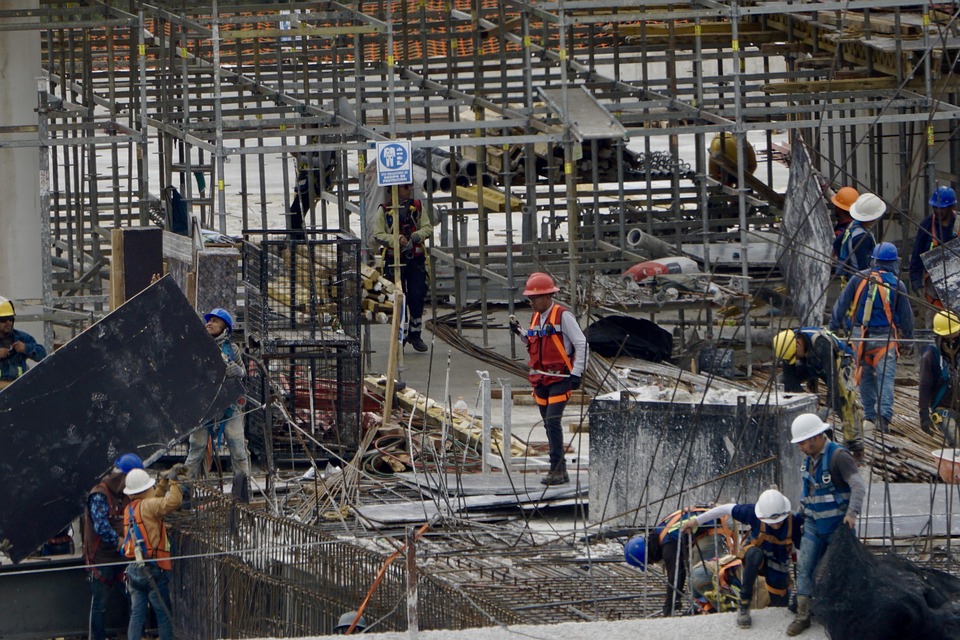

The construction industry has always been a cornerstone of economic growth and development. With a variety of roles available, opportunities abound for those willing to work hard and gain the necessary skills. This guide explores various construction careers available globally, essential skills required, and tips on how to navigate the overseas job market.
The Global Construction Landscape
Construction plays a pivotal role in developing infrastructure, housing, and commercial spaces. With population growth and urbanization, the demand for skilled labor in this sector is ever-increasing. Countries such as Canada, Australia, the USA, the UK, and various Middle Eastern nations offer ample opportunities for overseas workers.
Key Construction Roles
The variety of job roles within the construction industry is vast. Below are some prominent positions:
-
- Construction Manager: Oversees projects, ensuring timelines and budgets are met.
-
- Architect: Designs building plans and works closely with clients and engineers.
-
- Civil Engineer: Plans and designs infrastructure projects like roads and bridges.
-
- Site Supervisor: Manages daily operations on construction sites.
-
- Skilled Laborers: Performs hands-on work such as carpentry, plumbing, and electrical tasks.
Essential Skills and Qualifications
While each role requires specific qualifications, several essential skills are valuable across the board:
-
- Technical Skills: Knowledge of construction methods, materials, and safety regulations.
-
- Problem-Solving: Ability to troubleshoot issues that arise during projects.
-
- Communication: Working collaboratively with team members and stakeholders.
-
- Project Management: Skills in budgeting and project planning.
-
- Attention to Detail: Ensuring all aspects of a project meet specified standards.
Top Countries for Construction Careers
Many countries are actively seeking construction professionals, each offering unique benefits:
1. Canada
Canada’s robust construction market is driven by population growth and infrastructure development. Many provinces have programs for skilled immigrants, making it easier for overseas workers to find jobs.
2. Australia
With ongoing infrastructure projects, Australia lacks skilled workers in various construction roles. The country offers attractive visa options for professionals in this sector.
3. USA
The U.S. construction industry is diverse, with jobs ranging from residential to industrial construction. The demand for skilled trades is particularly high, making it an appealing destination for overseas workers.
4. United Kingdom
The UK’s construction sector is on the rise, focusing on sustainable building practices and renovation. Various programs facilitate the entry of skilled workers, especially in urban areas.
5. Middle East
Countries like the UAE and Qatar are investing heavily in construction and infrastructure, seeking skilled labor from abroad. Competitive salaries and benefits attract many overseas professionals.
How to Find Construction Jobs Abroad
Finding a job overseas in the construction sector can be challenging but manageable with the right approach:
-
- Networking: Reach out to industry contacts and join professional organizations that can provide valuable leads.
-
- Job Boards: Utilize online job portals focusing on international job listings.
-
- Recruitment Agencies: Many specialize in placing construction professionals overseas.
-
- Social Media: Platforms like LinkedIn can connect you with potential employers and industry groups.
-
- Direct Applications: Apply directly through company websites, showcasing your skills and experience.
Tailoring Your Application
When applying for jobs, ensure your resume and cover letter are tailored to the position and country you’re targeting:
-
- Highlight Relevant Experience: Focus on skills and experiences that align with the job description.
-
- Include Certifications: Many countries require specific qualifications for construction roles, so include all relevant certifications.
-
- Research Cultural Expectations: Understand how to present yourself professionally according to local standards.
Conclusion
The construction industry offers vast opportunities for skilled workers worldwide. Understanding the landscape and preparing accordingly can facilitate a successful career abroad. As demand for construction professionals continues to grow, positioning yourself strategically in this global market can lead to rewarding experiences and financial stability.
Final Thoughts
With the right qualifications and approach, a fulfilling career in construction can be just a step away. Embrace the learning process, enhance your skills, and explore the diverse opportunities available globally.
Top 10 Industries Hiring in Europe: Where to Look for Opportunities
Frequently Asked Questions
1. What types of construction jobs are available internationally?
There is a wide range of construction jobs available internationally, including project managers, construction engineers, skilled trades, architects, and site supervisors.
2. Do I need specific certifications to work in construction abroad?
Yes, many countries require specific licenses or certifications, especially for skilled trades. It’s essential to research the local requirements for your targeted country.
3. How can I improve my chances of getting a job abroad?
Networking, tailoring your resume, gaining relevant experience, and applying through reputable job boards can significantly improve your chances of securing a job abroad.
4. Are there any age limits for construction jobs overseas?
Generally, there are no age limits for construction jobs, but younger workers may have more opportunities in certain entry-level positions.
5. What should I consider when relocating for a job?
Consider factors such as visa requirements, cost of living, cultural differences, and work-life balance before making a decision to relocate.


