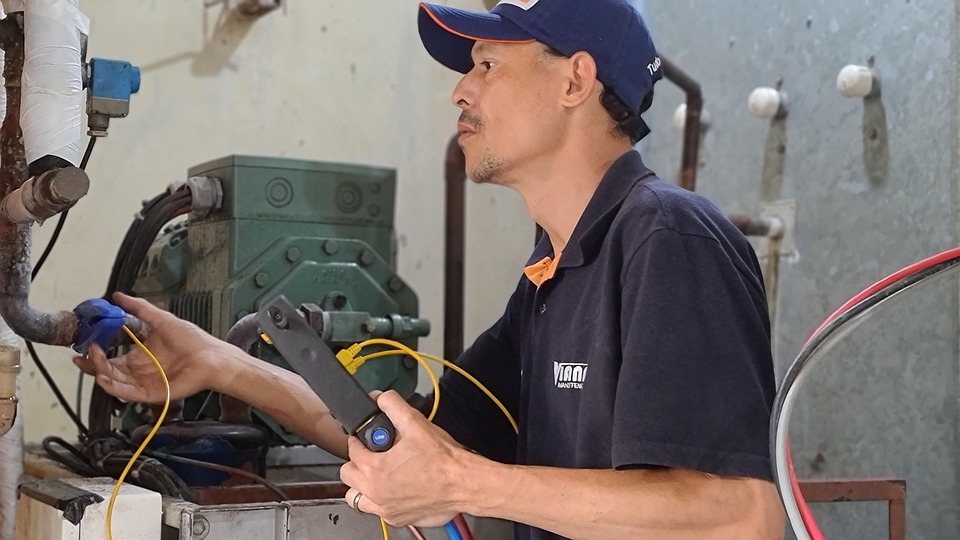

Explore global engineering roles and the key steps to secure your dream job in another country.
Why Consider Working Abroad?
The demand for skilled engineers is on the rise worldwide. Many countries are actively seeking professionals to fill gaps in various engineering sectors. Below are some compelling reasons to consider working abroad:
- Broaden Your Horizons: Experience different cultures and methodologies, which can enrich your professional and personal life.
- Competitive Salaries: Many overseas positions offer higher salaries and benefits than local opportunities.
- Career Advancement: International experience can set you apart from your peers back home.
- Networking: Build a global network of professionals in your field.
Finding Engineering Jobs Abroad
Embarking on a job search overseas requires a strategic approach:
- Identify Target Countries: Research countries with high demand for your engineering expertise.
- Utilize Job Boards: Websites like LinkedIn, Indeed, and Glassdoor often have listings for international jobs.
- Company Websites: Visit the career sections of companies you are interested in. Many offer international roles directly.
- Recruitment Agencies: Collaborate with agencies that specialize in placing candidates in international roles.
Application Process
Your application is your first impression, so it is critical to make it stand out:
- Tailor Your CV: Customize your CV to highlight relevant skills and experiences for the specific job you’re applying for.
- Write a Compelling Cover Letter: Explain why you are an ideal fit for the role and express your passion for relocating.
- Gather References: Include references from previous employers, preferably international contacts if possible.
Preparing for Interviews
Interviews can be more competitive when applying for overseas positions. Here’s how to prepare:
- Research the Company: Understand their culture, mission, and recent projects.
- Practice Common Interview Questions: Be prepared for both technical and behavioral questions.
- Understand Cultural Differences: Different countries have varied interview styles; adapt accordingly.
Understanding Work Visas
Navigating visa processes can be complicated but is crucial for working abroad:
- Research Visa Requirements: Each country has specific visa categories; research the one suitable for you.
- Employer Sponsorship: Some countries require the employer to sponsor your visa application.
- Seek Professional Advice: Consider consulting an immigration lawyer if needed.
Conclusion
Landing your dream engineering job abroad is a multifaceted journey that requires preparation, research, and strategic planning. With the right approach, you can successfully navigate the complexities of international job applications and visa requirements. Embrace the opportunity to grow both professionally and personally, and set yourself up for an enriching career abroad.
Frequently Asked Questions (FAQ)
1. What are the most in-demand engineering fields abroad?
Fields like civil engineering, software engineering, renewable energy, and mechanical engineering often have high demand globally.
2. Do I need to speak the local language?
While many companies operate in English, knowing the local language can be a significant advantage in both professional and personal contexts.
3. What are the common challenges when working abroad?
Some challenges include cultural adjustment, home sickness, and navigating foreign regulations. Being prepared can help mitigate these issues.
4. Are there employers that assist with relocation costs?
Many multinational companies offer relocation packages that cover various costs associated with moving for work.


Pingback: Top 10 In-Demand Skilled Jobs Abroad: Your Gateway to Global Opportunities